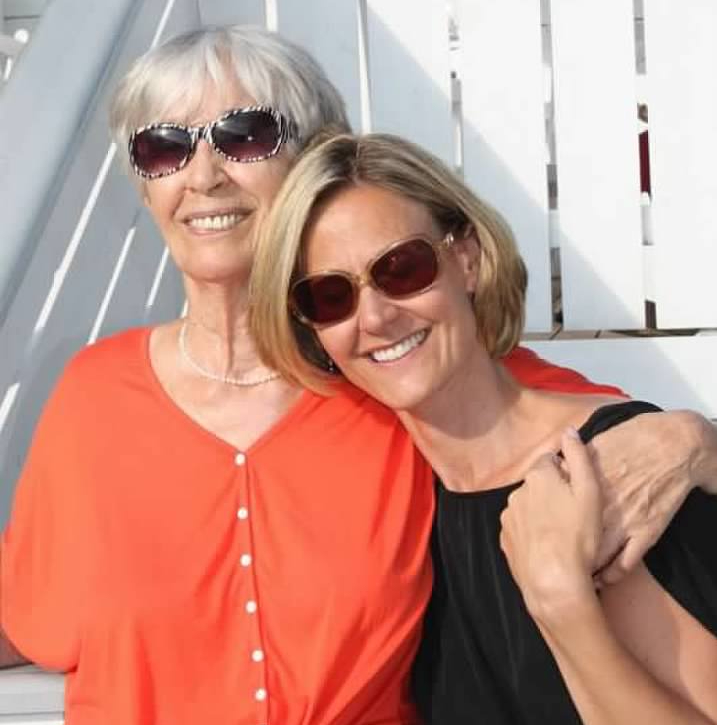
I Hear her Voice

I can still hear it—a voice as lovely and lively as she was.

“Hi, Karen,” she’d say, when I answered one of her daily phone calls. She was always happy to hear my voice.

Today, I would do anything to hear hers.

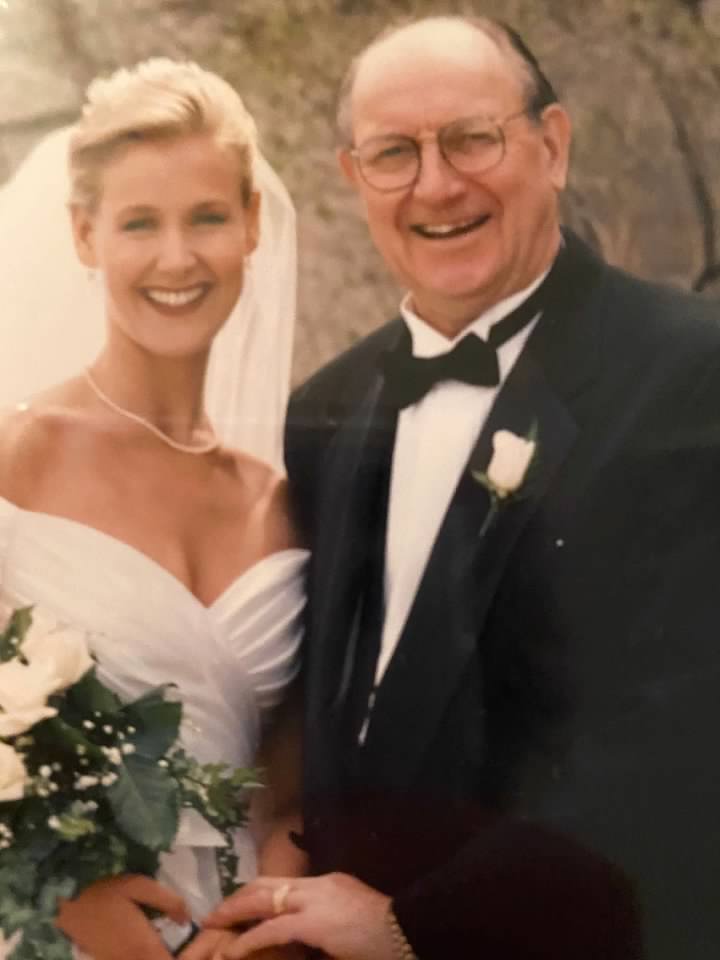
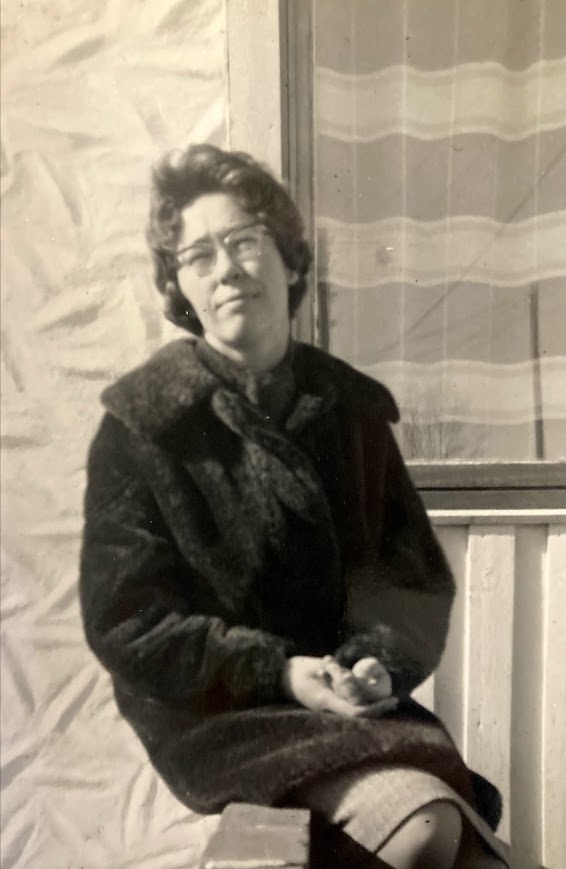
Mom’s voice was magical, almost musical, her Norwegian accent nearly as strong when she passed on August 28, 2020, as it was when she moved to the US in 1965. That’s when she crossed the Atlantic to marry our dad, Gjert Hovland, who had immigrated to the States a decade earlier.

Five years have passed since Mom’s spirit slipped from her body to her much-anticipated Heavenly home, the one referenced in her favorite Bible verse, John 14: 2.

“In my Father’s house are many rooms. If it were not so, would I have told you that I go to prepare a place for you?”

Sigrun Hovland had no doubt Jesus prepared a place for her, and she was looking forward to her eternal residence—and rest. She was tired in body and mind, but mighty in faith.

A Lifetime of Care

Nursing school photo, Norway, date unknown
Mom at nursing school in Norway.

A registered nurse, Mom worked in the psychiatric unit at a hospital on the edge of downtown Minneapolis. She served her patients with a huge heart, recognizing the plight of the mentally ill and addicted, at a time when these conditions were especially rife with stigma.

While she tended to the vulnerable at work, she also did her best to steer her family toward physical, mental, and spiritual well-being. Not always easy for a woman who, herself, struggled with depression.

A Lifetime of Faith

For as long as I can remember, Mom got deep in the Bible, reading it every morning after enjoying breakfast with strong, Norwegian coffee and the Minneapolis StarTribune, delivered daily to her doorstep.
There’s no telling how many times she made her way through that book, consuming every word from Genesis through Revelation.

Then she’d pray, talking to God in her native language as if he were a dear friend and confidante—someone she could see, feel, and fold into.

Kjaere Gud,” she’d begin. “Dear God.”

When we recite the Apostle’s Creed at St. Mark’s Lutheran Church in Huntsville, I don’t read the words in English. Instead, I whisper the Norwegian version, her voice, clear as day, saying it with me.

“Jeg tror på Jesus Kristus, Guds enbårne Sønn, vår Herre…

Mom was a woman who walked the walk (for the most part; she was human, after all) and spoke with conviction.

She was the Christian who strived to live like Jesus. She grew frustrated when people plucked out verses to support their personal or political views, often at the expense of commands for compassion, humanity, grace, and love.

Her Steady Support

When I called her from Nashville in 2002 to tell her I had checked myself into a treatment center, she said, “I’m so glad.”

It wasn’t just her words, but the love, relief, and gratitude pouring through her voice, washing over me like a giant, long-distance hug. She was in Norway visiting family at the time, but she might as well have been with me at Cumberland Heights, holding my hand.

Generational Faith

God was always a part of our family, which our parents built on a foundation of faith.

The God she and our Dad invited into our home before we were born was the same God I came to know as I got older. The One who has stayed with me, given me faith and hope, even in my darkest days.

Faith may have been one of the greatest gifts our parents gave me. Some people may question why I believe (why anyone believes!). Sometimes the whole dying-on-the-cross and rising-on-the-third-day thing seems a little far-fetched to me, too.

But when you feel a strength, a love, a forgiveness, a resilience, a force, and a grace that is so much greater than you, and you connect to that source… I guess that’s faith.

Channeling her Spirit; Preserving her Voice

Five years after she passed, the grief has softened. Today, I just miss her. I miss her presence. Her love. Her support.
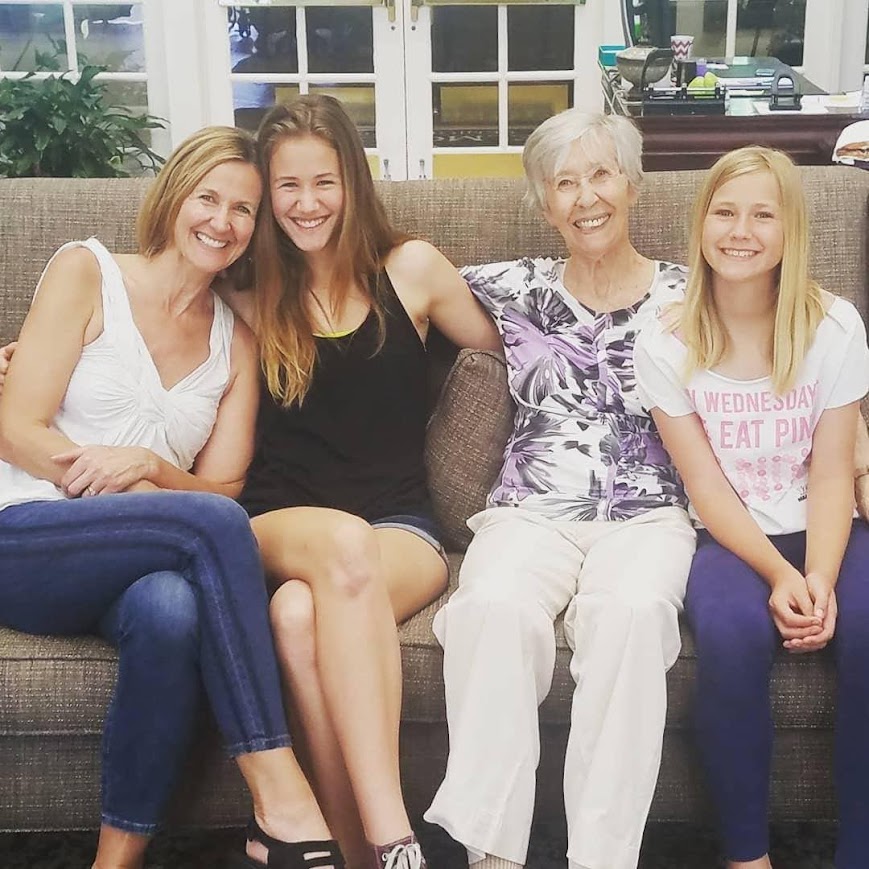
Her voice.

The voice that comforted and uplifted me, whether I was five, 15, 25, or 50. As a young girl, and later, as a parent myself. The voice I could count on in times of chaos or calm. In sadness or joy.

When my faith was strong or cracked.

I never really read the Bible (so many words!), but when her eyesight failed, I read it aloud to her. Two days before she died, she was in bed beside me. I thought she had fallen asleep so I stopped reading.

“I’m awake,” she said, mustering all her might, prodding me to continue.

This year, my friend Lisa invited me to join a Year in the Bible study. I wasn’t gung-ho, but committed. Another gift!

I find myself going through the readings in bed some mornings, my Norwegian-strong coffee in hand. I can feel her beside me, soaking in every word.

The voice that guided me on earth for 51 years still echoes.

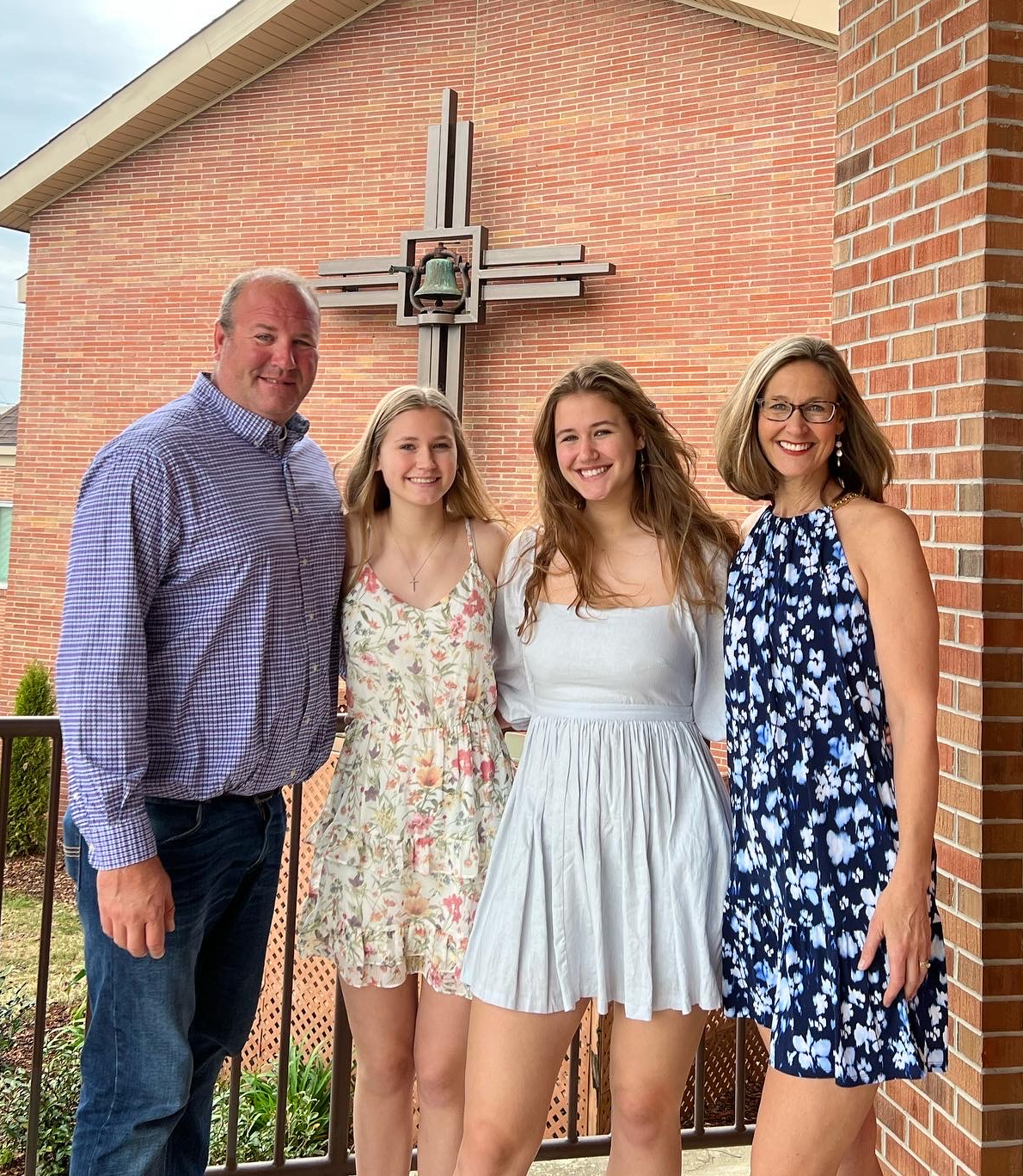
I hope her voice lives on through mine, and that my daughters, now grown, might hear it, too.

,
Posted in Faith, Family | Tagged , , , , , , , | 2 Comments

My Interview with Garrison Keillor: Lessons Learned

When I met Garrison Keillor in 1995, I was young, immature, and easily offended.

Credit: Garrison Keillor website/press kit

I couldn’t believe he made me wait over an hour for an interview. Keillor, a legendary storyteller, was busy tending to his fans, you know, the special people who listened to his shows, read his books, and bought tickets to his performances. The nerve! 

At the time, I was a one-man band reporter for KCCO-TV, a small satellite station in Alexandria, Minnesota. We did cut-ins for WCCO, the CBS O&O in Minneapolis. It was my first on-air job, and I was wearing all the hats: Driver, photographer, writer, and editor. If WCCO was the executive’s steak dinner, we were the small potatoes that might make it onto the kiddie plate. 

But it was a starting point, and I worked hard for every bit of my $6.63 hourly wage. 

Keillor’s northern Minnesota appearance was my assignment that day. He’d already racked up millions of listeners through his highly acclaimed radio program, “A Prairie Home Companion,” and was gaining even more with his newest production, “Writer’s Almanac.” 

If only I’d known more about Keillor. I should have. I grew up in Minneapolis, not far from Anoka, where he was born. With understated finesse, and 100 percent accuracy, he’d mock Minnesota’s culture and Scandinavian quirks. He’s funny and spot-on. My parents, Norwegian immigrants, loved him.

“Karen, we’re listening to Garrison Keillor on MPR,” mom would say as I whizzed by. “He’s so funny. You should join us.”  I really should have joined them.

Some of Keillor’s narratives could have come straight from the Hovland family household. After all, my parents were straight off the boat, making my brother, sister, and me first generation Americans. 

He once wrote, “Good old Norwegian cooking, you don’t read much about that…”  Growing up eating boiled fish, boiled potatoes, and boiled broccoli, I’d tend to agree. (Don’t worry, ladles of melted butter went a long way at dinnertime.)

Bemidji is two-and-a-half hours north of Alexandria. It’s way up there, just a county shy of Canada. The city had been dubbed America’s “Curling Capital,” and I wondered if Keillor would weave that into his monologue.

As I entered the city limits, I took note of the towering Paul Bunyan statue along the shore of Lake Bemidji. Surely Keillor would reference the giant lumberjack and his oversized blue ox, Babe. Together, as folklore goes, they could “clear-cut an acre before lunch.”

I pulled into the Bemidji State campus, and easily found the right building. A woman greeted me at the door.

“I’m Karen Hovland,” I said. “From KCCO. I’m here to interview Garrison Keillor.”

“Of course,” she said. “Follow me.”

She walked me down a long hallway, around the corner, and into a large room. Up on the small stage stood a man with a head of shaggy brown hair, bushy eyebrows, and glasses. He was sharing stories about a fictional place called Lake Wobegon. His deadpan delivery captured the attention of everyone in the room. There were close to 200 people there, mostly older, their laughter filling the cavernous space.

I only caught the last 20 minutes of his monologue—enough to capture my “B” roll, the cover video for my story, scheduled to air at 6 and 10 p.m. I white balanced, then lugged the Beta camera and bulky tripod from one side of the room to another. Capturing wide, medium, and tight shots of Keillor and his beloved fans. 

Finally, he bid his famous farewell from Lake Wobegon, “where all the women are strong, all the men are good-looking, and all the children are above-average.”

I was anxious to interview him, not because I knew what a privilege it would be, or what a gifted storyteller he was, but because I was on a deadline. I followed my campus contact to Keillor. He was about to start autographing books and greeting the men and women who’d lined up to see him. I watched as she whispered to Keillor. 

“She’ll have to wait,” Keillor said in the same dry voice he’d used on stage.

“That’s fine,” I said, replying to him, even though he hadn’t addressed me directly. People often liked getting news coverage. He, quite clearly, didn’t care about the camera or the small-town reporter. Something told me he wouldn’t bend over backwards for a big-time reporter, either.

He was very tall. I was 6′ and he had several inches on me. I set up the tripod higher than usual and turned on the mike. I was good to go, but Keillor wasn’t. I’d wait a good while longer, as the line snaked along the wall and around a corner. He was in no hurry. 

Intrigue replaced impatience. I was impressed with his authenticity, and the time and care he took to connect with everyone who wanted just a few minutes of his time. 

If I could do it again, I would have interviewed attendees, found the woman who was his greatest fan and had listened to every episode since his very first, or the couple who knew him as a bookworm in grade school, or as a college student at the University of Minnesota. There were likely many stories at Bemidji State University that day, but I didn’t bother to find any. I wasn’t in the right frame of mind.

Eventually, the crowd dwindled, and it was my turn. Keillor wasn’t just taller than me, he was bigger than life. I knew he was a big deal; I wouldn’t have been sent to Bemidji otherwise. But it would take some time before I came to see him as one of the greatest writers and humorists of my lifetime. Regrettably, I don’t remember the questions I asked, the angle I took, or the story that eventually aired.

What I do remember was my mom’s reaction when I told her I interviewed Garrison Keillor. She was thrilled and bragged about it to every friend in her Norwegian knitting club, and to anyone who would listen at Mindekirken, the Norwegian Lutheran Memorial Church, the next Sunday.

My parents saw Keillor perform twice in the Twin Cities before my dad died in 2002. By 2006, my husband and I had settled in Huntsville, Alabama, and I’d left news for nonprofit work. When I found out Keillor was speaking at the Madison County Library’s Vive le Livre fundraiser that year, I got tickets. My mom just happened to be visiting that week. It was one of the most special events she and I would ever attend together. 

While I can’t remember his entire monologue, I can still see my mom’s smile (and Keillor’s red shoes and red socks!), and feel her joy. I finally joined her, and I finally listened. I was hooked. We laughed out loud, just like the crowd did in Bemidji back in 1995. I felt a connection to this man whose stories reminded me of my beloved hometown and the people who lived there.

“That was so special,” Mom said afterwards. “Thank you!” 

I realized then what a mistake I’d made in 1995. Instead of committing to a truly special piece, I interviewed Keillor as if he were simply filling a slot in our Central Minnesota newscast. I was the one who had some nerve. I would have made me wait, too!

On Tuesday, I’ll have the opportunity to see Garrison Keillor a third time. My husband and I are attending his performance at Mars Music Hall. Nearly 30 years have passed since that Bemidji interview. I can’t wait to see him in person again.

I’ll relish his stories, and reflect on my own Norwegian-American upbringing on Columbus Avenue, where the lefse was soft; the lutefisk, pungent; and the children, all three of us, above average (even if the youngest was a little hard-headed).

Posted in Family | Tagged , , , , , , , | Leave a comment

My Last Drunken New Year: Cheers to Sobriety

On December 31, 2001, I was still struggling with alcohol misuse. I’d been concerned about my drinking for a while, and had even explored treatment at a local facility. I wasn’t ready, though, and convinced myself, and my husband, that I wasn’t like “those people.” David and I agreed that I wasn’t an alcoholic.

My problem was different. I was different. I simply needed to stop drinking before I went overboard. We devised a brilliant plan: I’d stop drinking when he told me I’d had enough. We were hopeful our strategy, however delusional, would work.

New Year’s Eves, like weddings, are notoriously bad for alcoholics. It’s a license to let loose (not that we ever need a license, or permission of any kind). It’s also more socially acceptable to “party” on a holiday, or at a big celebration, than to get inebriated by yourself on the couch. Of course, you can still do plenty of damage, no matter where you are.

According to the National Institute on Alcohol Abuse and Alcoholism, alcohol use disorder is considered a chronic relapsing condition “characterized by an impaired ability to stop or control alcohol use despite adverse social, occupational, or health consequences.”

Over the years, I faced many adverse consequences, in all three areas and then some. If only looming consequences could have squashed my compulsion to drink.

My personal cycle of insanity had been in full swing for nearly 15 years by that particular New Year’s Eve. Consequences were mounting, and my excessive intake had become harder to hide.

Before we headed to a friend’s party that night, I was full of optimism, writing in my journal:

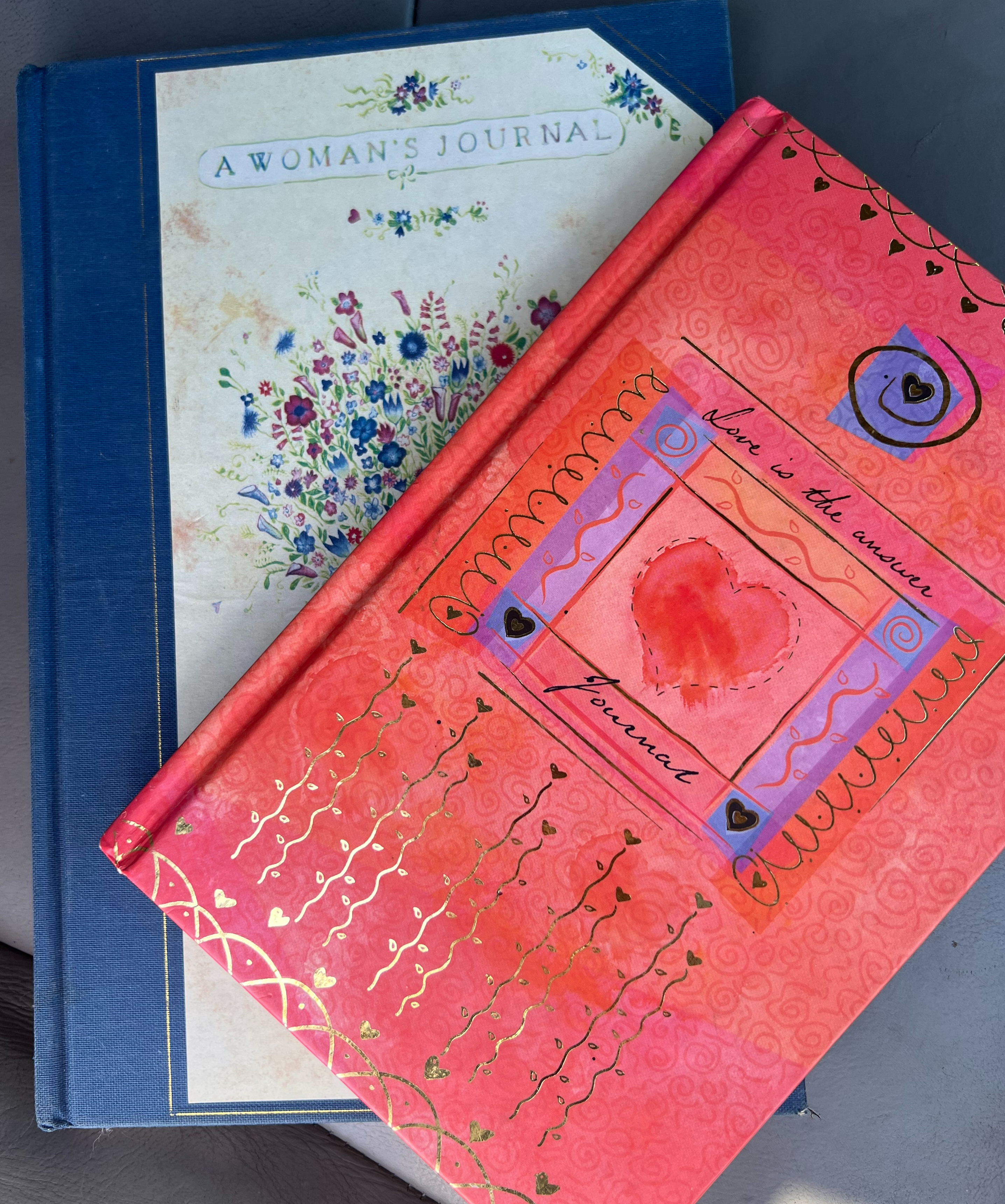
12/31/01, 5:45 p.m. A new journal and a fresh spirit to kick off 2002. We’re going to Gaby’s for a small gathering. I vow to stay sane and not get sloppy drunk. Let the festivities begin.

By 2 a.m., we were back home, and I’d scribbled another entry, this one completely illegible. I clearly shattered the promise I’d made to myself just hours earlier. By evening, I was feeling better, and put pen to paper once again.

1/1/02, 7 p.m. Alright. I woke up sick as a dog… Let that be the last drunken entry in my journal. Okay. David and I discussed my drinking in-depth. It was nice to have an honest, open exchange.

While that wouldn’t be my last drunken entry, it turned out to be my last drunken New Year’s Eve. Several months—and a moment of clarity—later, I drove myself to Cumberland Heights, a treatment center in Nashville, Tennessee, to begin my road to recovery. It was June 21, 2002.

They say alcoholism is a progressive disease; recovery can be, too. By December, I was feeling stronger.

12/31/02, 10:45 p.m. New Year’s Eve—my first sober since who knows when! Thank God for my sobriety. He made it possible. And he will continue relieving me of the obsession. 1/1/03, 5:30 p.m. Wow! I… enjoyed New Year’s without drinking and without a hangover. I got up around 7, went to an 8 a.m. meeting. Then I went on a long walk.

Funny. That’s exactly what I did today, 22 “New Years Days” later. It’s something I try to do every New Year’s Day as a way of symbolically setting the stage for a strong, healthy, and sober year ahead.

For so long, I’d been seeking solutions to my problems in bottles of wine, in myself, and in other people. Turns out God held the key all along. The doors he’s opened have been incredible. As we closed out 2024, I thanked God for my sobriety, just as I had done in 2002, 2003, 2004, and so on. After all, I have much to be grateful for, including a life that is far better without alcohol than it ever was with it. That’s worth celebrating, no matter what the day, or time of year.

Posted in Mental health, Uncategorized | Tagged , , , , , | Leave a comment

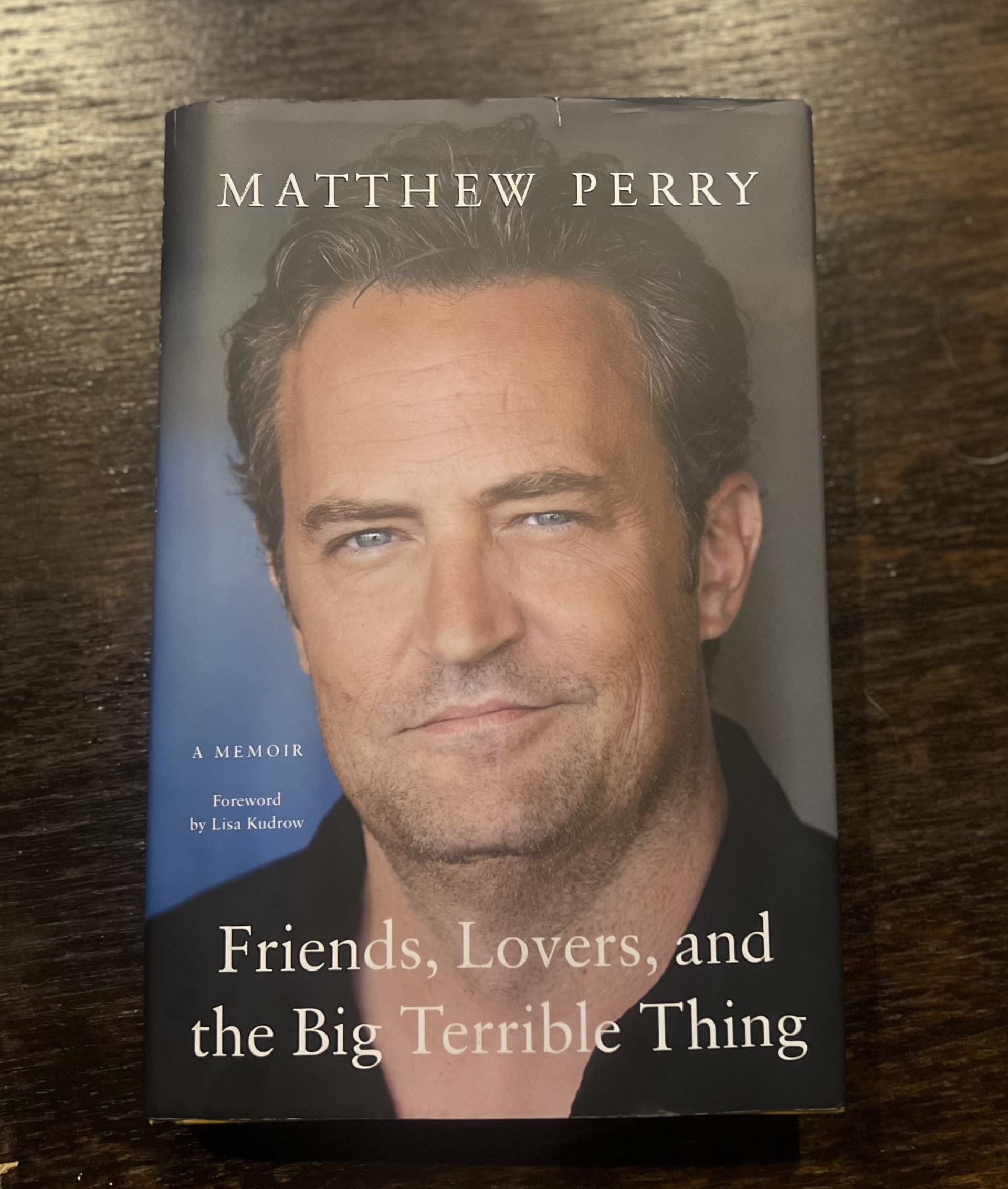
Reflections in Recovery: Thoughts on Matthew Perry’s Autobiography, his Death, and the Drug Ketamine

Matthew Perry’s memoir hit me hard. The stretches of sobriety, heartbreaking relapses, and deeply-rooted resentments. Sure, there were moments of levity, laughter, and hope, fueled by Perry’s sheer determination to keep fighting, but there was an eerie sense of foreshadowing throughout the book. 

Chances are we’ll all read, and respond to, the book differently. We’re all coming from different places. I, for one, found “Friends, Lovers, and the Big, Terrible Thing” both relatable and unrelatable; heartwarming and frustrating; honest and dishonest. And ultimately, tragic.

Because we all know how his story ends.

On October 28, I was among millions of “Friends” fans saddened when I heard that Perry had passed away. Gen-Xers like me grew up with Chandler Bing and his crew, from our 20s into our 30s. I watched every week, usually with a bottle of wine. For most of the show’s run, I was stuck in the insanity of my addiction and Perry was in the thick of his. We both went to treatment in 2002. While my recovery journey hasn’t been perfect, I’ve managed to stay sober. That is a gift I don’t take for granted.

As Perry shared in his memoir, he would continue fighting, mostly alcohol and opioids, for decades, spending $7 million on treatment. While I had it bad (of course, few in active addiction “have it good”), he had it “really bad,” saying on page 220, “I have it as bad as you can have it, in fact. It’s backs-to-the-wall time all the time. It’s going to kill me.”

But would it? His death didn’t initially appear to be drug-related. After all, we, the public, thought he was sober. That was how the book ended.

Perry published the book in 2022, telling “People” magazine why he didn’t write his story earlier. “I wanted to share when I was safe from going into the dark side of everything again,” he said. “I had to wait until I was pretty safely sober… to write it all down.”

Pretty safely sober.

What does that mean? To me, “pretty safely sober” is a reminder that the one-day-at-a-time thing is no joke. That meetings, the 12 steps, or whatever recovery path you’re on are as critical to your health and well-being as recovery plans for other illnesses.

Because, as Perry explained in the memoir, while you are working on your sobriety, the disease of addiction is doing one-armed push-ups, just waiting for you to let your guard down. To think you are safe, that’s where relapse comes in, which Perry describes this way: “Once you puncture the membrane of sobriety, the phenomenon of craving kicks in, and you’re off to the races one more time.”

Maybe that’s why we were sad, but not entirely surprised, when the autopsy report, released December 15, said that Perry died from the “acute effects” of ketamine. It’s a powerful anesthetic that the Drug Enforcement Agency describes as “dissociative” because it makes patients feel detached from their pain and environment.

On Octobber 10, two weeks before Perry’s passing, the FDA issued a warning about compounded ketamine, and reminded patients and healthcare workers that it is not FDA approved. A study published by the National Library of Medicine says that ketamine’s psychotropic effects have demonstrated benefits, particularly as an antidepressant, but “unsupervised ketamine treatment is dangerous, debatable, and extremely worrying.”

On page 83, Perry talks about his experience with the drug in 2020, “I was also doing ketamine every day… There’s a synthetic form of it now, and it’s used for two reasons. To ease pain and help with depression. Has my name written all over it–they might as well have called it ‘Matty.’ Ketamine felt like a giant exhale.” But there were negatives. “Taking K is like being hit in the head with a giant happy shovel. But the hangover was rough and outweighed the shovel. Ketamine was not for me.”

Yet it killed him, once again demonstrating the power of this disease.

(Perry had been on medically-supervised Ketamine infusion therapy, which is considered safe, but his last treatment was reportedly a week-and-a-half earlier. That dosage, experts say, would have been long gone by the time he died.)

In the book, Perry frequently asks, “Why am I still here?” After all, the disease had already killed many of his Hollywood peers. “It always seems the really talented guys go down,” he said, referencing the likes of River Phoenix. Michael Jackson. Heath Ledger, and Chris Farley.

More frightening foreshadowings of his demise.

Perry eventually sensed “that I was here for more than this big terrible thing. That I could help people, love them, because of how far down the scale I had gone…”

That’s what’s scary about the scale. It can always go down further.

While Perry is no longer with us, his story can continue to help others, reminding all of us that we can fight and fight and fight, but addiction can still win. We are never really safe.

**************************************

If you are struggling with addiction, you can call 800-662-4357. You can also visit Not One More Alabama for local and regional treatment resources, including WellStone, or check out Alcoholics Anonymous, Narcotics Anonymous, Recovery Dharma, or Celebrate Recovery.

Posted in Addiction, Mental health, Uncategorized | Tagged , , , , , , , , | Leave a comment

My 3-Pound Universe: The Realities of ADHD Relapse

When I feel bad mentally, I can usually trace it back to my ADHD. It’s a condition we often joke about, flippantly saying things like, “I’m so ADHD today,” or “Squirrel!”

Of all mental illnesses, Attention-Deficit/Hyperactivity Disorder is among the most common, with lifetime prevalence around 9 percent in adults. Research, including this 2022 NIH study, links the condition to genetic factors, but there’s still so much more to learn.

While ADHD is not considered a serious mental illness (SMI), the consequences of the disorder can be serious.

Researchers have identified genetic differences in people with ADHD. Photo credit: Adobe

We, the diagnosed, know we can be annoying and try the patience of our more focused, detailed peers. We do our best to laugh it off, but that self-deprecating humor is really just a mechanism to conceal our own burgeoning feelings of frustration.

As a kid and teen, I struggled with undiagnosed ADHD. I’d daydream in class, drifting during key lessons. Staying on task, in school or at home, was difficult. I was impulsive, a trait, or symptom, that became more consequential as I got older. ADHD took a toll on my academics, my overall development, and my self-esteem.

Like many other people with ADHD, I have co-occurring disorders. I also struggle with General Anxiety Disorder and, as I’ve shared before, developed an addiction to alcohol in college and an eating disorder at 15. (According to the National Center for Biotechnology Information, as many as 80% of adults with ADHD have at least one coexisting psychiatric disorder, including mood and anxiety disorders, eating disorders, and substance use disorders, or SUD.) Growing up in an alcoholic home, as I did, can also take a psychological toll.

While I was treated for my SUD in 2002, it would take another 10 years before I received the ADHD and anxiety diagnoses. Knowing there was a reason for the unrest in my brain lifted a weight off my spirit. When mental health professionals help you identify the problem/s, they can work with you to create individualized recovery solutions. For me, that involved medication, therapy, spiritual tools, and lifestyle adjustments.

I finally got on my “right” treatment plan, but even medicated, my conditions can spiral. During international conflicts and global pandemics, my anxiety soars. When I feel overwhelmed, my ADHD skyrockets. And I’ve been stressed out… for a while.

It’s like I was in remission for ADHD. And then I wasn’t. Looking back, I started unraveling, or relapsing, about six months ago, preparing for my oldest daughter’s high school graduation. The wires in my brain picked up speed, spinning in different directions. When my ADHD surges, my head physically hurts. It gets worse as my symptoms—forgetfulness, inattention, impulsivity, and irritability—flare.

I accidentally doubled the sugar when I baked this cake. It exploded in the oven.

What does a relapse look like in real life? Well, I’ve gotten out of my car and forgotten to put it in park; ordered a homecoming boutonnière from one florist and went to pick it up at another; showed up a day early for a meeting; and fell for a phishing scam that could have had dire consequences. Then there was the cake fiasco, when I accidentally doubled the sugar in the recipe, and I still misplace my phone multiple times per day.

I guess I should have seen it coming. After all, I have been going, going, going. At work and at home. And I’ve worried, about big things and small things. About things I can and can’t control. I have taken my medication, but I haven’t seen a therapist, gotten enough sleep, or used the tools I’ve picked up over the course of my recovery from all my mental health issues.

For instance, I have missed my weekend 12-step meetings when I’ve been out of town visiting our daughter in college and haven’t made them up during the week. While I still pray, morning and night, I haven’t thought to pray for my state of mind or remind myself that God is the director of the universe, not me. I haven’t taken that coveted quiet time, away from people and electronics, that helps me recharge. And I haven’t been writing, which for me is its own kind of therapy.

While I can’t redo the past six months, I can take a deep breath and start over.

I begin by reminding myself that I’m not stupid. I simply have glitches in my brain that need to be tended to, or they will run amok in that 3-pound universe at the center of it all. By slowing down, leaning on my Higher Power, creating (and following) to-do lists, writing, giving myself the same grace others have generously given me, and practicing the medical and non-medical elements of my recovery, I can get back on track.

Relapse is often described as a sign for resumed, modified, or new treatment. I’ll be sure to bring that up when I see a new psychiatrist next week. I’ll also be seeing a new therapist in December.

But ultimately, I’m the one who has to follow through and make my mental health a priority. To do what I can, as suggested by my team of experts, to create calm in a universe that may otherwise be prone to chaos.


If you want to learn more about ADHD and how many of us don’t “outgrow it,” check out this panel of professionals discussing, “Diagnosis, Continuation, and Remission of ADHD into Adulthood.”

Posted in Biotechnology, Health, Mental health | Tagged , , , , | Leave a comment

A Letter to my Mom

Dear Mom,

We lost you three years ago, today. It’s an anniversary I recognize, but don’t celebrate.

When you took your last breath, I lost a few of mine. You hadn’t been feeling well. I knew that day was coming. Sometimes I prayed for it. For your release. Your relief. And sometimes I didn’t want it to come at all.

I still cry sometimes. The same way I did for several years after Dad died. Gosh, we’d been close for so long. Sometimes I think of calling you, even if it’s just for a split second. Then I remember you’re gone. And I just talk to you, out loud, as if you’re right there with me. In the car. On my walk. Or at work. I imagine you can hear me and I pray that you have a great view of us, as our lives continue to unfold.

You’d be so proud of your grandkids, and your two great granddaughters. Sweetie pies!

Here in Alabama, it’s been hotter than ever. I know you liked the heat, but even this would have been a bit much. “Feels like” temps well over 100 degrees this month.

Serina started college this fall. She’s at the University of Virginia’s College at Wise. Six hours away! She’s playing volleyball, which you know she loves! She’s studying English like her mom and Tante Heidi. Her first game is Thursday. We can’t wait! She lives with the three other freshmen on the volleyball team. She loves them. So far their best buddies are three big, burley football players. She tells me the school part is going well, too. It’s kind of nice not being able to monitor her grades online. I know I was overprotective during high school. (Sound familiar :)?)

Sophia is doing great, too. She’s been working with Ms. Stephanie across the street on her ACT. This kid puts so much pressure on herself. Not sure where her study habits came from, but certainly not from her dad, sister, or me. She wants to be a nurse, like her Mormor. So far we’ve toured the University of Tennessee and the University of Alabama at Huntsville. We’ll also look at the University of Alabama in Birmingham and maybe the University of North Alabama. Sophia is still playing piano and singing in choir. You would love listening to both.

Speaking of which, you would have enjoyed the concerts the sisters gave us all summer. Both girls singing, with Sophia playing piano and Serina on her guitar. David would get frustrated with the “noise.” I thought those moments were the best ever. They feel like forever ago, although it hasn’t even been a month.

The dogs are sweet. When you came back to the house, in hospice care, Allie would jump on your bed. I was worried she’d hurt you, but you didn’t mind. Both Allie and Harvey stayed near you when you were here. They loved you, too. You were as much their family as we are.

And the cats. Well, Fat Cat is still soft and silky. Frizzell is gone (sad times) and now we’ve got Midnight. He had been displaced and the kids begged us to let them bring him home. You would have wondered what on earth we were thinking! We had no idea how old he was. Poor guy has a huge overbite, missing top teeth, bad breath, and the most ridiculous surplus of eye boogers. (The vet gave us eyedrops; they’ve helped some.) Strange thing, though, Midnight is the sweetest, most affectionate cat we’ve ever had. So he’s part of the family now, too. Eye boogers and all.

As you always knew: Time doesn’t stand still. So much has happened since you passed away. But I can easily go back in time, in my mind, at least. To my childhood when you and I would walk around Nokomis, no matter the weather. When you’d take Heidi and me to Southdale on Saturdays. When all of us would go to Mindekirken for the 11am Church services. When Dad would grill ribs, and the five of us would eat in the living room watching All in the Family, The Jeffersons, and The Carol Burnett Show. When you’d come up to St. Ben’s for lunch, just because. When you came to visit us in Huntsville and we took a million pictures at the Space & Rocket Center.

Then I am back in our home on August 28, 2020. Deep in that moment when you left us, and the world lost your very special glimmer.

I cried and cried and cried.

Mom, I don’t know what you can hear or see. If anything. But for now, I’m choosing to believe that you can hear me when I talk to you. That you can see our family as our seasons of life change. Heidi and Larry’s families, too.

And that you can sense the thoughts, feelings, and love that I might pour into a blog.

Believing that you can see and hear me, or read my blog, makes me feel better. It gives me comfort. Makes me smile. Because even if you’re gone, I feel as though we are still communicating. I just can’t always catch your end of the exchange.

Love,
Your youngest daughter

Posted in Family, loss, grief, Mental health, Uncategorized | Tagged | Leave a comment

“I Win!” Words of Wisdom from my Grissom Grad

Serina with GHS principal, Ms. Jeanne Greer

She smiled big as she sashayed across the stage, stopping for that long-awaited photo opp, one hand shaking the principal’s, the other gripping her high school diploma. It had been a long journey, but she was finally here, at the Von Braun Center in downtown Huntsville, graduating.

Serina texted me earlier that day, following rehearsal. “I get a silver cord for GPA. 3.8. I win!”

“Yes, Serina,” I thought. “You won big.” That silver cord wasn’t just a sign of academic achievement. It represented so much more.

Serina and her classmates faced challenges in high school that didn’t come close to anything I endured in the 80s. And Serina, along with a number of her peers, also had mental health challenges to contend with. Complicated conditions on their own made worse during the pandemic.

These recent grads were freshmen in March 2020 when the district sent them home for virtual learning due to COVID-19. I remember thinking, “Surely this will last a week. Maybe two.” But the lockdown went on. And on.

Sophomore year wasn’t much better. The lockdown lightened, but students still had a mix of virtual and in-person learning. Kids would go to class, but if a student tested positive for COVID, boom! Mandatory quarantine. Making matters worse, a ransomware attack struck Huntsville City Schools in December 2020, resulting in homework packets that students picked up and returned weekly. There was no online access for weeks.

Some kids rolled with every punch, and some loved online learning (many introverted children, including my youngest, celebrated the solitude). Others, including Serina, felt like they were drowning. Serina had been diagnosed with ADHD and General Anxiety Disorder in fifth grade. She learned to adjust in many ways, and medication helped tremendously, but COVID created a cruel environment for Serina and many of her peers. Her ADHD and Anxiety symptoms flared. Her grades suffered, and her mental health declined.

She found herself separated from the friends she loved and the social activities she craved.

The pandemic stifled her spirit, pulling her away from two key connections: People and horses. She missed time with friends and weekly riding lessons at the barn. Losing the latter may have hurt her most of all. She could still Facetime her friends, but she lost all contact with the horses, which, I see now provided substantial therapeutic benefits to her physical, mental, and emotional well-being. Within a year, everything sputtered and stalled. She was stuck. As I tried yanking her out of her “rut,” I only made everything, including our relationship, worse.

Working from home, I struggled watching her struggle. She’d sleep through online classes. “Get up!” I’d yell, noting that her sister had been upright at her desk, logged into her online classes, since 8:25 am.

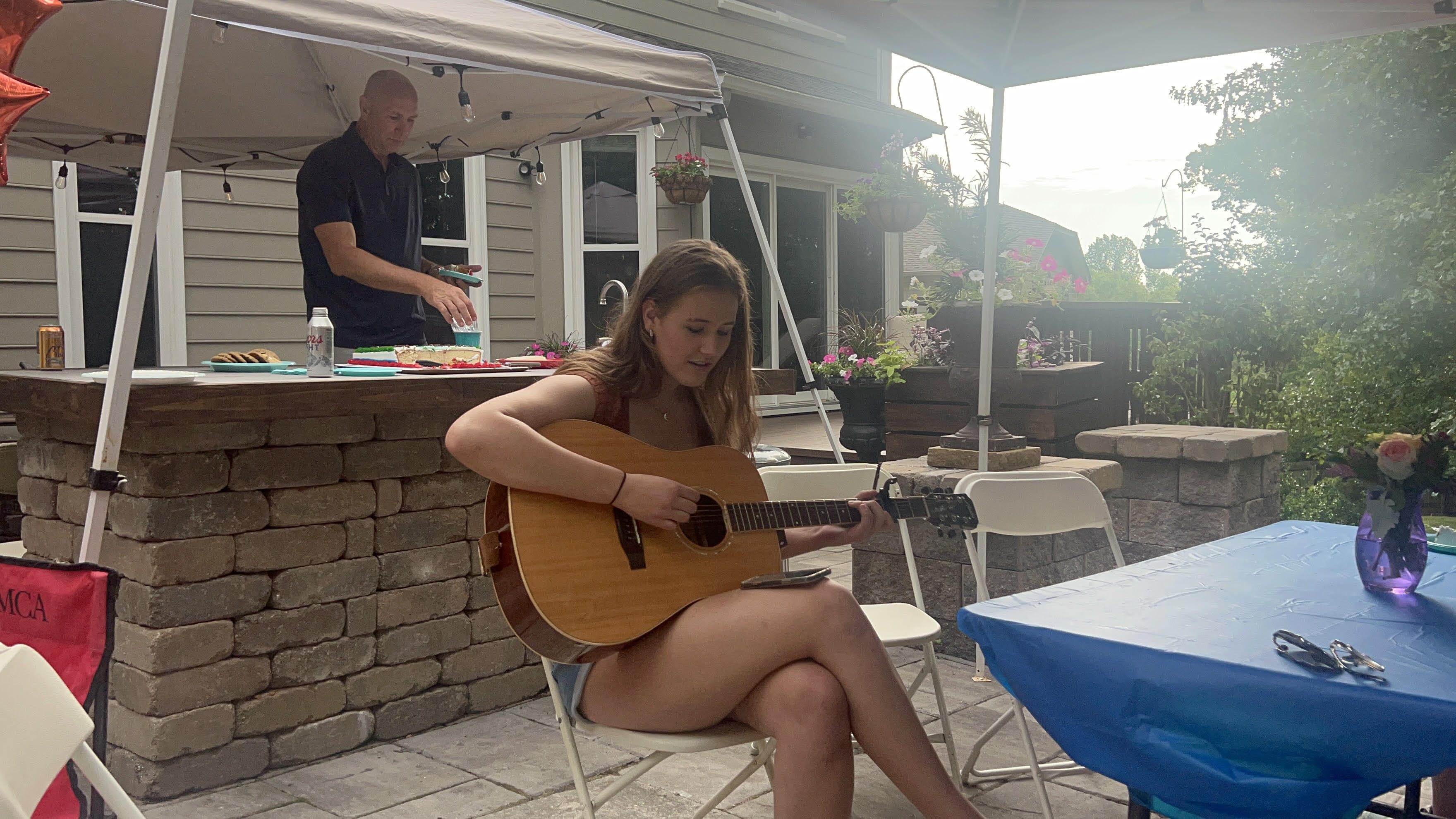
She learned guitar during COVID. Her music became a gift to all of us.

I’d look at Serina’s grades on Powerschool, only to find missing assignments and low-scoring test grades. It might have been easier to accept if she weren’t so darn bright.

A gifted artist, she spent more time sketching portraits and playing guitar than she did on US History or Algebra II. She’d catch up in one class only to fall behind in another. Then there was the time she got a 50 on her Latin test. When asked about it, she said, “Oh, I thought it said complete part 1 or 2.” (For those unfamiliar with ADHD, this is a classic example.)

Volleyball was different too. She’d had a very successful sophomore season, despite the COVID-related challenges (wearing masks, for instance). But there was a two-month gap between school and travel ball. By the time club season started, her drive, energy, and performance diminished. Not long into the season, it seemed like her coaches, and her teammates, had given up on her. Even worse, she was giving up on herself.

But I wasn’t giving up on this incredibly funny, talented, and beautiful young woman. Finally it hit me: She wasn’t being “lazy.” She was simply hurting, mentally and emotionally. If only it had been as easy to spot as the flu. Or COVID itself. I couldn’t make anything better. After months of futile effort, I realized she needed help that was beyond anything her dad or I could provide.

We sought mental healthcare, and a new psychiatrist changed her meds. The effects were almost immediate. We got our kid back. She got back on track at school and in the gym.

Fast forward to Friday, May 26, 2023. All the highs and lows of the past four years culminating in this one-and-a-half hour ceremony. I can still see her gliding across the stage, like a newly crowned queen.

My winner, Serina.

She persevered and worked hard to get here. Now an official Grissom grad, Serina is headed to UVA’s College at Wise, a small D2 school northeast of Knoxville. She’ll study English and play volleyball. She’ll have those critical human connections. She might even find horses to ride, and I know she’ll continue creating beautiful works of art and providing impromptu concerts for her new friends and teammates.

During those really hard times, I often tried controlling Serina. She’d get angry, understandably. “Trust me,” she’d say. “I know what I’m doing.” “I’ve got this.”

And that day, at the VBC, when she, along with her 399 fellow grads, triumphantly tossed her tassel from one side of her cap to the other, I realized she was right.

She got through the worst to become her best. With a 3.8 GPA and a silver cord to boot.

Posted in Health, Mental health, Uncategorized | Tagged , , , | Leave a comment

Why I Failed Dry January

Long before it was a thing, I gave Dry January my best shot. Almost every New Year, I resolved to quit drinking. Maybe not for an entire month, but almost a month. Or a couple of weeks. I fell short, failing over and over again.

Maybe that’s why I’m fascinated by Dry January, and the millions of Americans who participate in the one-month sobriety challenge. I have friends who reported feeling better and healthier after an alcohol-free January. Some have taken it further, choosing alcohol-free lives.

I, however, was long baffled by the concept of sobriety and couldn’t comprehend a month without alcohol, let alone a lifetime. I desperately wanted to go a few weeks without it. To prove I could. To prove I wasn’t an alcoholic (or, to use the clinical term, someone with a Substance Use, or Alcohol Use, Disorder).

I came close in 1998, after overindulging on New Year’s Eve (again). While drinking mimosas on New Year’s Day, I swore I wouldn’t drink anything for three weeks. “Starting tomorrow.”

Within a short time, I felt better, recording my progress in my journals. “One day without alcohol. I feel great and determined.” “I finished Day 4 without a drink. Get me to Thursday. That’ll be a week.” And on January 10: “I feel like I’m accomplishing something. I just finished my 9th day without alcohol.”

Then, “Cats.”

I joke that the traveling Broadway production drove me to drink. During intermission, my husband, David, and I went to the lounge. Without a second thought, I ordered a glass of wine. I’d gone nearly 10 days without a drink. I’d proven that I could do it. That I didn’t have a problem. Right?

On January 11, that glass of wine unraveled my resolve and reignited my chronic and progressive disease. My 10-day run was over and I was back at it, as if I had never stopped.

I started drinking as a college freshman and drank differently from the beginning. When alcohol hit my bloodstream, something snapped. The thirst was insatiable; the craving, indescribable. I loved it. I hated it. The temporary relief… from everything… was amazing, but the subsequent hangovers were atrocious. I wanted to stop. I couldn’t stop.

Willpower is great. But when you suffer from a substance use disorder (SUD), rarely will any amount of discipline keep you sober. Not for long, anyway.

With a trail of broken promises behind me, and piles of shame and regret within me, I knew, deep down, that I was afflicted. The child of an alcoholic, I recognized the insanity of this disease, yet clung to denial, insisting that my drinking was merely a habit to alter. A problem to fix. But no matter how hard I tried, how much I prayed, or how badly I hurt, I couldn’t achieve another stretch of sobriety.

By 2002, I was so sick and my husband, David, was at his wit’s end. That January, I considered treatment, for a minute, writing on January 13, “I was about to check myself into the Betty Ford Clinic, wherever that is. But think I can handle this thing on my own. I just need my husband’s support. And a new job.”

Turns out, there was no way I could handle “this thing” on my own. Not with David’s support. Not with a new job. Not with any external circumstance. Because the problem ran deeper. Abstaining, or trying to abstain, for a month or any amount of time, won’t treat the disease of alcoholism. And while incurable, addiction, or SUD, is treatable. Recovery is possible. I started mine June 21, 2002.

It was tough, and sometimes seemed impossible. I was angry, sad, and resentful, giving up the crutch that helped me wobble through life. But I clung to glimmers of hope, a power greater than myself (God), and a supportive circle of friends who’d been there.

Life hasn’t been perfect, and I’m far from it, but everything is way better than it was when I was battling that baffling compulsion to drink on a daily basis. I am grateful that I am no longer trying—and failing—to get through Dry Anything.

All I have to do now is live one day at a time—no matter what month it is.

Posted in Addiction, Mental health, Uncategorized | Tagged , , , , , | 4 Comments

Den Siste Hilsen (The Final Farewell)

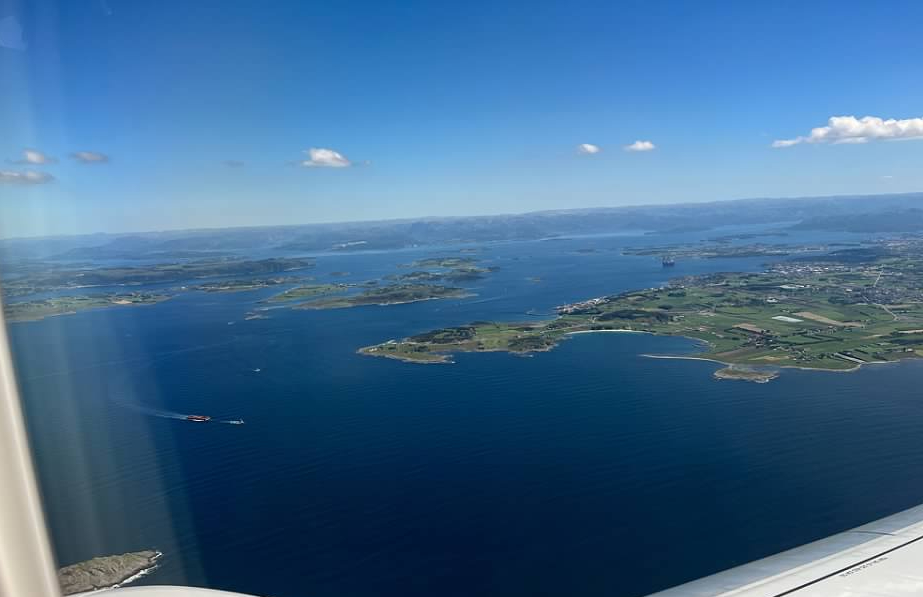
Stavanger views from row 39.

It’s strange, preparing to say goodbye to someone who died nearly two years earlier. You’ve already cried. You’ve grieved. You’ve come to terms with your loss. Yet there we were, on June 28, 2022, scrunched into row 39 on a crowded KLM flight, taking Mom to her final resting place.

For years, our mother suffered from peripheral neuropathy and more recently, dementia, but neither had been as cruel as COVID-19 and its ensuing isolation. Neuropathy compromised her mobility; dementia stole pieces of her mind; but the pandemic robbed her of the human connections that fueled her soul. When she took her last breath on Friday, August 28, 2020, I could almost see her spirit rejoice, breaking free from all that ailed her.

Mom and me.
July 2014: Celebrating Mom’s 80th birthday in Bergen.

Under normal circumstances, we would have taken her ashes to Norway last summer, but COVID-related restrictions remained rigid. We had to wait.

What a blessing that we could go this summer, eight years after our last trip. In 2014, we celebrated Mom’s 80th birthday in Norway. This time, David, Serina, Sophia, and I would travel alone, her ashes packed safely in my carryon. We’d meet my sister, Heidi, and her kids, Lena and Riorden, along with my brother, Larry, in Egersund, our dad’s hometown.

Our cousins picked us up at the Stavanger airport, where cold winds cut through warm embraces. (A far cry from Huntsville’s sweltering heat and humidity.) While we were disappointed by a dismal 10-day forecast, we weren’t surprised. Norway’s weather is a crapshoot. Of course, this trip wasn’t about temperatures or barometric pressure. It was about bringing our mom’s cremains home and reconnecting ourselves—and our children—to the roots of our family tree, which bore branches on both sides of the Atlantic.

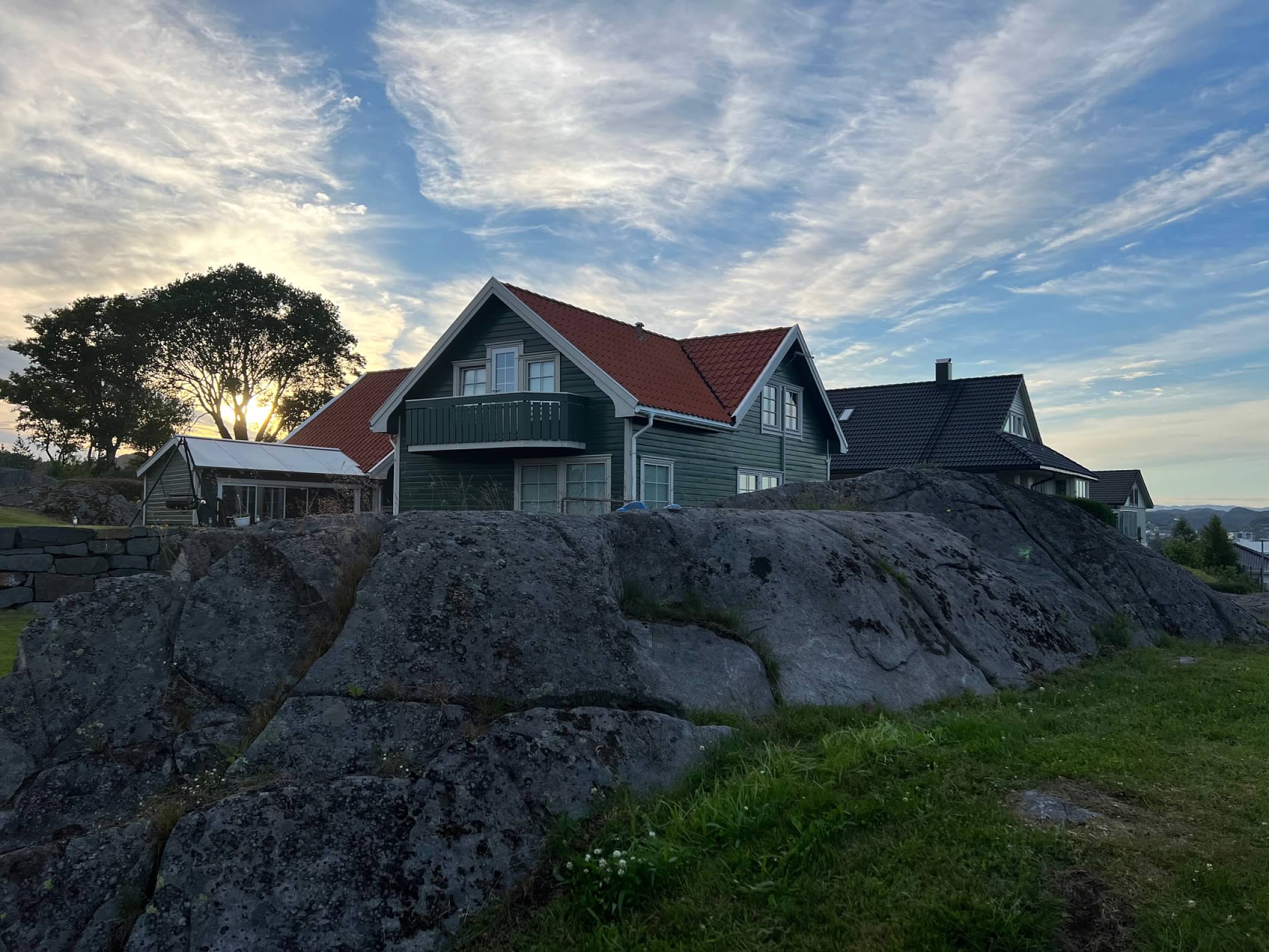
Besides DNA, we share many childhood memories with this crew. We, the “Americans,” returned to Norway several times in our youth, spending cherished time at Blåsenborg (on Eigerøya), the mountaintop home in which my father and his sister were born and raised. They’ve expanded and renovated the once tiny home, but the spectacular view is unchanged. The North Sea, speckled with commercial fishing boats, recreational speedboats, and the occasional kayak and yacht, still fascinates me.

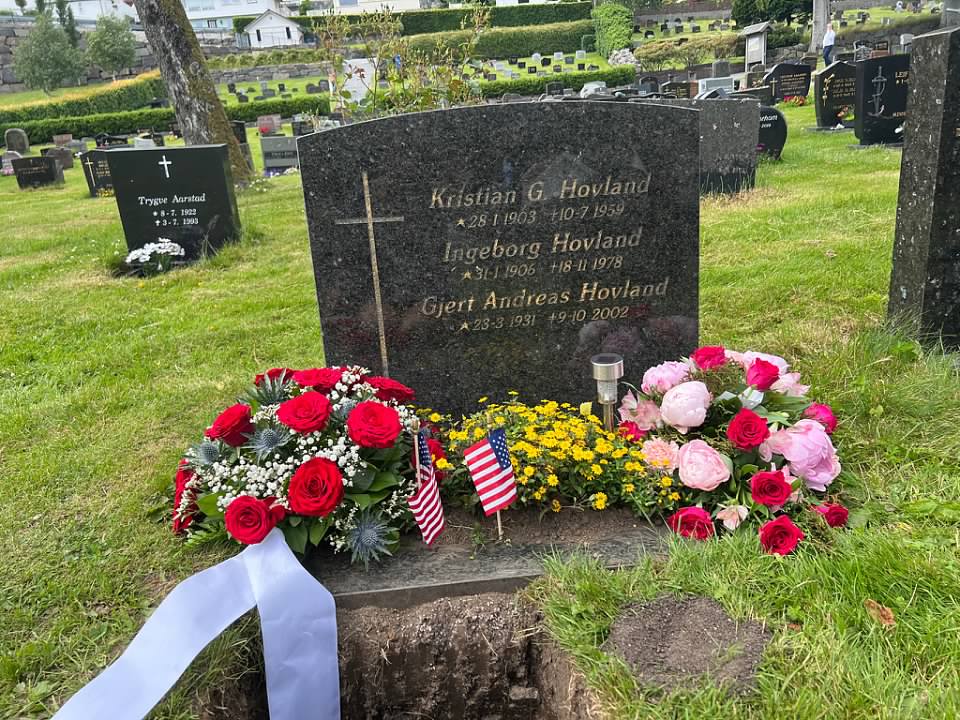
When Dad died in 2002, we brought him home to Egersund the following summer. We buried his ashes in his parents’ plot, knowing we’d eventually do the same with Mom’s.

We held her interment on Friday, July 1st, with Reidar Strand, Mom’s cousin-in-law (married to Liv Serina), officiating. While we had accepted the cold and rainy forecast, we were gleefully surprised when, mid-service, clouds parted, giving way to blue skies and sunshine. My mom revered the sun so the shift in weather seemed fitting, if not deliberate.

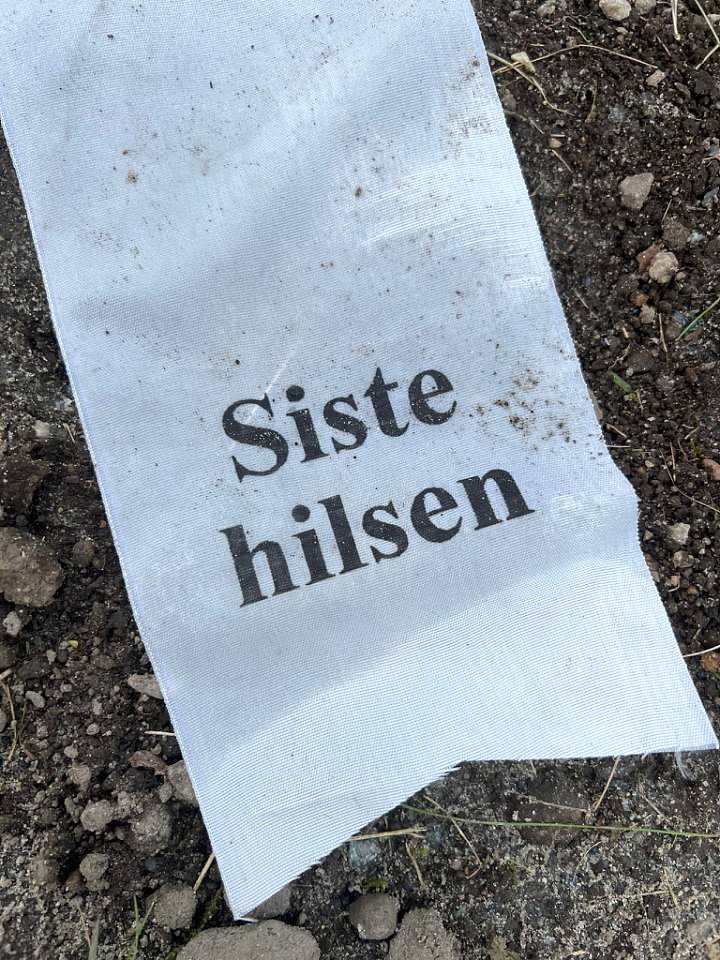
Reidar delivered a short sermon and read John 14:2, one of my mom’s favorite Bible verses, especially in the months leading up to her death. We sang hymns and enjoyed the flowers that brightened the graveside. A rose bouquet from our Faster (Aunt) Petra and her family read: Siste Hilsen. Translated directly, it means “last greeting,” but it’s more like “the final farewell.”

Before I left the cemetery, I took a moment to kneel beside the deep hole that held Mom’s cremains. The weight of those words sunk in: Siste hilsen. The last greeting. The final farewell. While I didn’t outright cry, a few tears slid down my face as I realized this was it. The final farewell that was long overdue, yet somehow timed just right. I imagined, for a moment, she was there with me. Dad too. I was still, somber yet serene, until a cool wind swept me out of my thoughts.

Heidi and me, on my first trip to Norway.
My first trip to Norway, early 70s. I’m with Liv Serina in the red, white and blue dress. Heidi’s with Mom, wearing the wild daisy pants.

Afterward, we gathered at the nearby Grand Hotel, sharing food and fellowship with those who loved our mother almost as much as we did. We reminisced, telling stories about Mom and Dad. They had built an extraordinary life together and balanced it beautifully between the US and Norway.

I never asked why they wanted to be buried in Norway, but it makes sense to me now. Dad was strategic to the end. The interment of Mom’s ashes brought us back to their homeland, where we connected (and reconnected) more deeply than ever with relatives. In all, we spent 12 days overseas, visiting friends and family in Egersund, Stavanger, and Bergen. We built new relationships, strengthened old ones, and fell in love, again, with our heritage, our family, and the country itself.

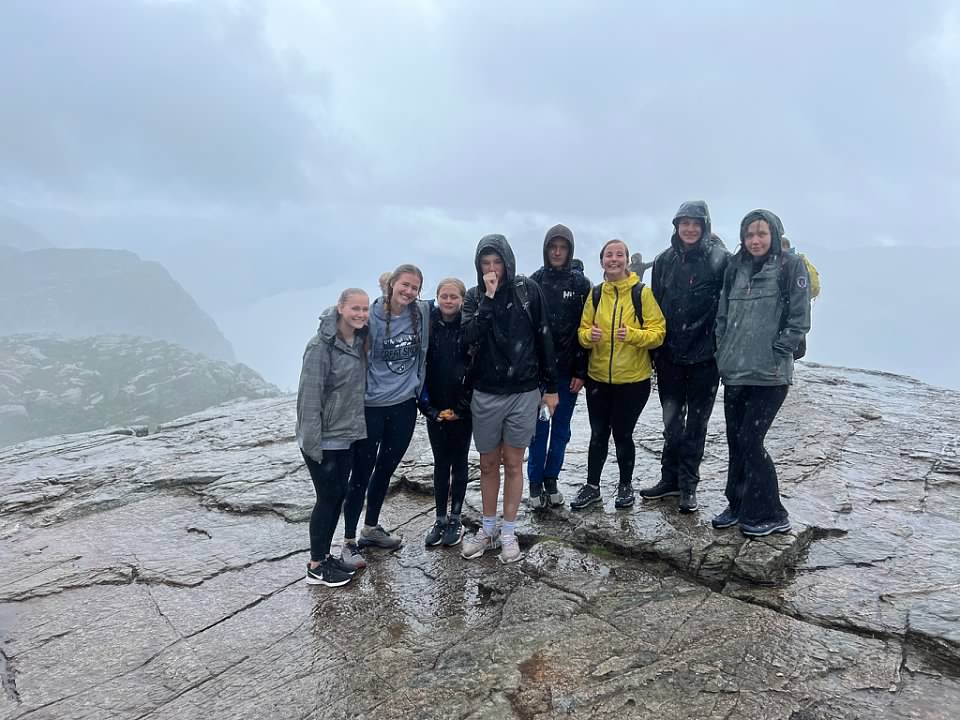
We enjoyed many adventures: boat rides on the frigid North Sea, ziplining in the mountains, and a hike up Preikestolen, a majestic mountain overlooking Lysefjord. Cold, rainy weather be damned; kids and adults alike bonded through each experience.

As our trip drew to a close, I had no doubt our parents were beaming. They had worked hard to keep us, first generation Americans, tethered to our Norwegian roots. Mom maintained her Norwegian citizenship, while Dad was USA. Regardless of passport origin, both were part of each country and each country was part of them.

I think that’s also true for Larry, Heidi, and me. And can’t the same be said for our kids? In less than two weeks, the girls made strong connections with their Norwegian relatives, some they’d never met before. They fell in love with country and countryside. They made memories and forged friendships. They learned bits and pieces of the language and better understood their heritage.

As everyone said goodbye, it seemed clear that these farewells were far from final. They were more like “see you next time.” After all, a part of our parents will always be in Norway and a part of us—all of us—will always be there, too.

Posted in Uncategorized | Tagged , | Leave a comment

Reflections in Recovery: 20 Years Sober

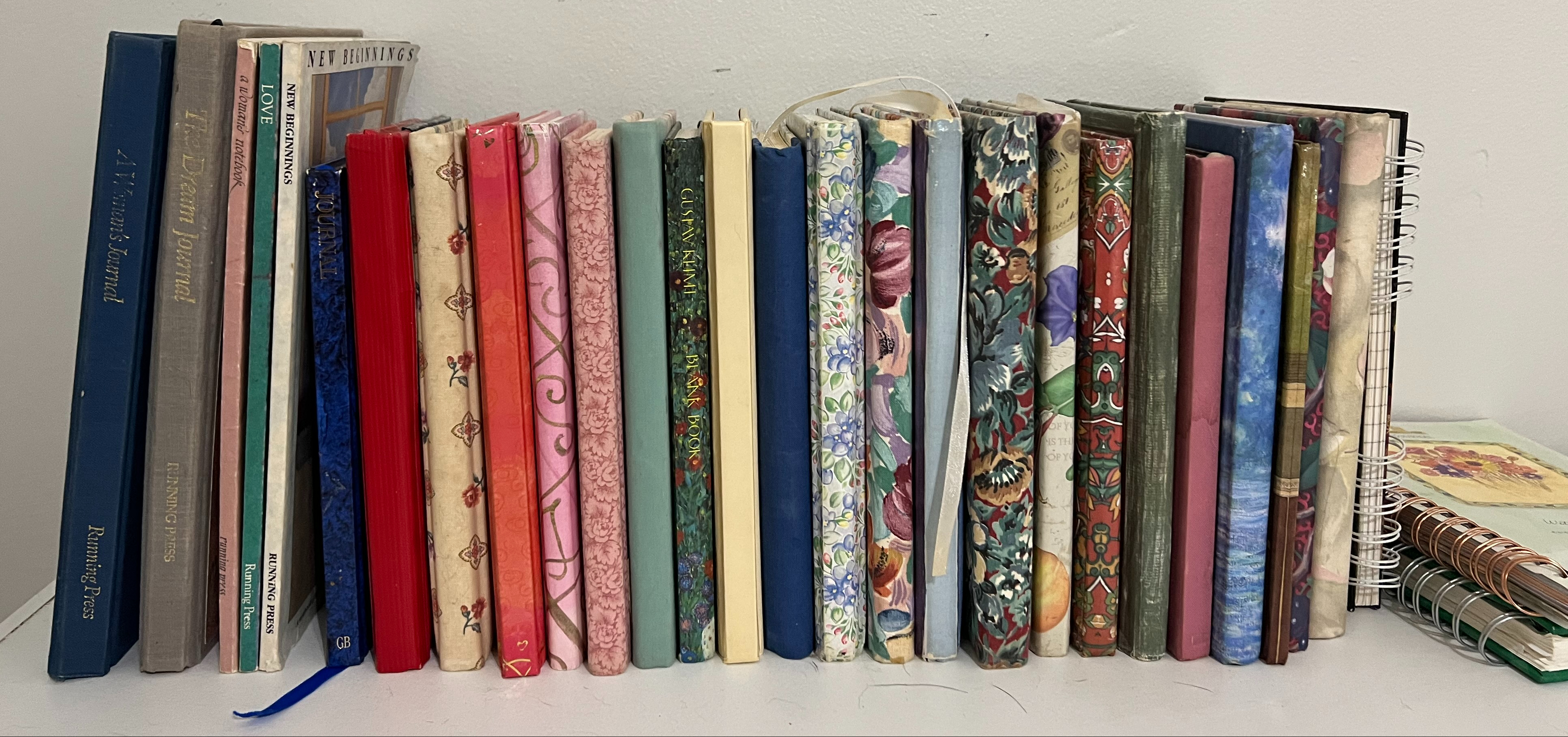
Today, June 21, 2022, I celebrate 20 years of sobriety. I’m grateful. And deeply reflective. In recovery, we’re not supposed to “regret the past, nor shut the door on it.” It seems I had done a bit of both. I recently dug out a box of old journals. Very quickly, memories flooded back.

6/8/02 I’m slowly killing myself and must stop. I know I need help. How do I get it? How do I face everyone? How do I conquer the demons inside? The demons that dominate. By the grace of God, I still have hope for a brighter tomorrow. 

That gift of hope kept me going a long time. But on June 20, 2002, I got something greater: the gift of desperation. My husband couldn’t take my drinking anymore. I realized then: I couldn’t either. I needed—and finally wanted—help. Desperately.

6/21/02 It’s the first day of summer and my first day of sobriety. Here I am, just outside of Nashville, getting treatment for my alcohol “issues.” I feel lonely and uncomfortable. But I’m glad I came.

When I started journaling in college, I had no idea I’d begun documenting what would become a 15-year battle with a chronic and progressive disease, along with disordered eating that preceded, and later co-occurred, with my substance use disorder (SUD); the detrimental effects my dad’s drinking had on me; and other co-occurring conditions that further hindered my well-being.

9/23/89 Nice writing last night. Nice state of mind. I can’t believe I got so drunk…. I was so sad the past two days… I have no feelings left. I’ve exhausted my tears. 
10/27/95 Why can’t I just be happy with the woman I am? Why the shame? Why the loathing? There’s poison inside of me and it’s killing my spirit. 
9/29/97 Alcohol interferes with my health, my love, my marriage and self-respect. Patty Loveless concert was great. But I drank until my mind was mush.
12/21/98 What a stupid, drunken weekend. I feel so low. So unhealthy. So poisoned.

Opening the door to my past has been liberating. I’m recognizing, feeling and, I hope, releasing the pain I internalized many years ago. To fully appreciate where I am, I had to remember where I was. These journals helped me recognize today’s milestone for the miracle that it is.

4/28/02 Mom knows I’m an alcoholic. It’s in her voice. I know it too. It’s an agonizing reality. I’m imprisoned by it. I wish I could be normal. No crazy obsessions. No horrible habits. Just normal. How hard could that be?

Very hard if you suffer from addiction or other mental health-related conditions. While incurable, SUDs and mental illnesses are treatable. It’s not a habit to break; it’s an illness to treat. And treatment changed my life.

8/2/02 I relish these Friday nights. Before, I spent them drinking. Too side-tracked to read. Too sloshy to write. We went to Rosie’s. David had two beers. I looked longingly at people around me enjoying their icy, fruity drinks. But I feel remarkably clear and sound.

I rode many pink clouds that year, but life still knocked me off my feet. I lost my dad, just months after I broached the 12-step subject with him.

7/14/02 I asked Dad if he’d ever been to a meeting. “Some time ago.” “Will you go with me sometime?” “We’ll see,” he said, before quickly handing the phone over to Mom.

My wonderful father, who never found relief from his addiction, passed away October 9, 2002. It was strange, grieving without alcohol. Imagine how you feel after working out for the first time in years. You’re sore, but it’s a good sore. When my dad died, that’s how I felt, like I was exercising my emotional muscles for the first time in ages. It hurt, but it was a good hurt. The pain told me: You’re alive. You’re getting stronger.

10/26/02 If I were still drinking, I’d be “sipping” white wine. That socially acceptable beverage would be dulling my pain. That would be an insult to his memory. I wish he had found peace before he died. God’s given him peace now.

My family isn’t just a blessing, it’s a miracle.

People in my recovery circles helped me through that tough time, and others. Just shy of my one-year sobriety date, I lost my job. After I was “let go,” I didn’t go to the liquor store. I went to a meeting.

That was a miracle. Other miracles: My husband, David, and I recently celebrated our 26-year anniversary and we have two amazing teenage daughters. Additionally, God led me toward a meaningful career in nonprofit fundraising. I currently work for a mental health center and serve on the board of an addiction resource organization. Last fall, I started sharing my experiences publicly. God gave me renewed purpose, personally and professionally.

Early on, I remember watching “Susan” get her five-year medallion. She said she did it “one day at a time,” adding, “I was a mess. If I can do it, anyone can do it.” I latched onto her words. In vulnerable moments, I’d tell myself, “If Susan can do it, I can do it.”

And here I am, at 20 years. Like Susan, I was a mess (I have the journal entries to prove it). Like Susan, I did it one day at a time. And like Susan, I believe that if I can do it, you can do it. But there’s a catch: You have to want it. If you’re not there yet, consider praying for desperation. It remains one of the greatest gifts I ever received.


Posted in Uncategorized | Tagged , , , , | 4 Comments